


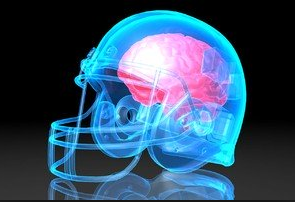
A concussion is a brain injury. It’s serious. It’s not what you see on television, where a coconut falls out of a tree and the person drops to the ground.
Most concussions don’t even involve a loss of consciousness.
A concussion can occur in any sport or recreational activity where you’re running around and making contact. A concussion can lead to a lifelong disability or even, in some cases, death.
If you know what to look for you, you will be able to help the injured person, even if that person is yourself. Often people don’t recognize that a blow to the head – even one that isn’t especially painful or jarring at the time – can cause a concussion. Student athletes may not receive medical attention at the time of the injury because the player or coaches aren’t aware of what to look for.
ANY TIME YOU GET HIT IN THE HEAD, YOU SHOULD TAKE YOURSELF OUT OF THE GAME.
Primary symptoms can include a sensitivity to light, headache, dizziness, difficulty concentrating and a hard time remembering things. These symptoms may not occur right away, so it’s very important to let an adult know you’ve been hit in the head, even if you don’t feel injured initially.
KNOW THE FACTS: Athletes with one concussion are at an increased risk for a second one.
ConcussedTeen.Org is YOUR website. We want to hear from you so we can work together to educate people so teenage athletes are protected. Email submissions@concussedteen.org with your story.
